Ancient Treasures: Unearthing Mystical Wonders
- Doreen Merino
- Jul 7, 2025
- 6 min read

The world is full of mysteries, and some of the most fascinating ones lie buried beneath the earth. Ancient treasures tell stories of civilizations long gone, their cultures, beliefs, and daily lives. These treasures are not just gold and jewels; they are artifacts that connect us to our past. In this blog post, we will explore some of the most intriguing ancient treasures and the wonders they reveal.
Ancient treasures can be found in various forms, from intricate jewelry to monumental structures. Each piece has a story to tell, and each discovery adds a new layer to our understanding of history. Let’s embark on a journey to uncover these mystical wonders.
The Gold Mask of Tutankhamun
One of the most famous ancient treasures is the gold mask of Tutankhamun. Discovered in 1922 by archaeologist Howard Carter, this stunning artifact is made of gold and inlaid with precious stones. The mask was found in the tomb of the young pharaoh Tutankhamun, who ruled Egypt over 3,000 years ago.
The mask is not just a beautiful piece of art; it also serves a significant purpose. It was believed to protect the pharaoh in the afterlife. The intricate details, including the blue and gold stripes, symbolize the pharaoh's power and divine status.
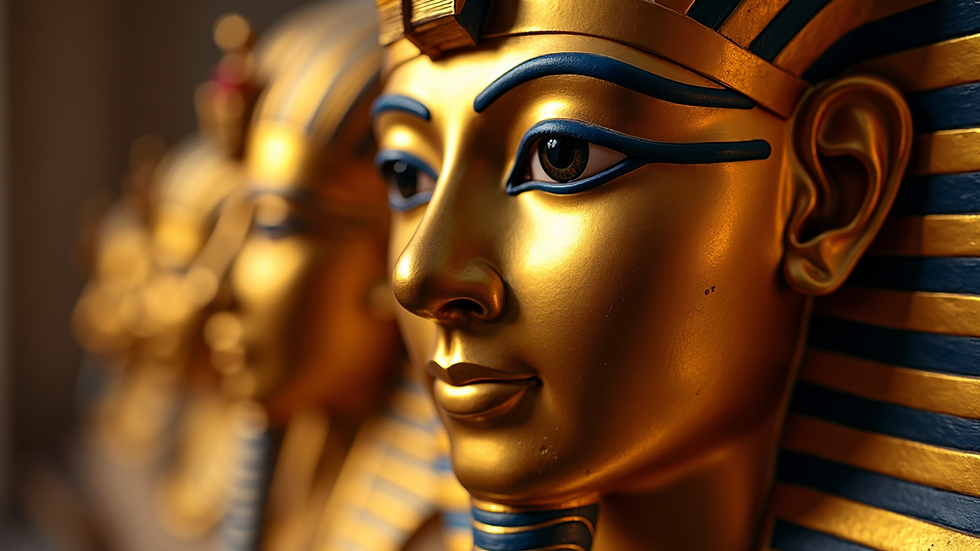
The discovery of the mask sparked a renewed interest in ancient Egypt and its treasures. It also raised questions about the burial practices of the time and the beliefs surrounding death and the afterlife.
The Terracotta Army
Another remarkable ancient treasure is the Terracotta Army, located in Xi'an, China. This vast collection of life-sized clay soldiers was buried with the first Emperor of China, Qin Shi Huang, around 210 BCE. The army consists of over 8,000 soldiers, along with chariots and horses, all crafted to accompany the emperor in the afterlife.
Each soldier is unique, with different facial features and expressions. This attention to detail reflects the skill of the artisans who created them. The Terracotta Army was discovered in 1974 by local farmers digging a well, and it has since become one of the most significant archaeological finds in history.
The Terracotta Army not only showcases the artistry of ancient China but also provides insight into the military practices and beliefs of the time. It highlights the importance of the afterlife in Chinese culture and the lengths to which the emperor went to ensure his protection in death.
The Rosetta Stone
The Rosetta Stone is another treasure that has had a profound impact on our understanding of ancient civilizations. Discovered in 1799 by French soldiers in Egypt, this granodiorite stele features inscriptions in three scripts: Greek, Demotic, and hieroglyphics.
The stone was key to deciphering Egyptian hieroglyphs, a writing system that had been a mystery for centuries. The ability to read hieroglyphs opened the door to understanding ancient Egyptian culture, history, and religion.
The Rosetta Stone is now housed in the British Museum, where it continues to attract visitors from around the world. Its significance goes beyond its physical form; it represents the bridge between ancient and modern understanding.
The Lost City of Pompeii
The ancient city of Pompeii, buried under volcanic ash from the eruption of Mount Vesuvius in 79 CE, is a treasure trove of information about Roman life. The ash preserved buildings, artifacts, and even the remains of its inhabitants, providing a snapshot of daily life in the Roman Empire.
Excavations of Pompeii began in the 18th century and have revealed stunning frescoes, mosaics, and everyday objects. These findings offer insights into the art, culture, and social structure of the time.
Walking through the streets of Pompeii is like stepping back in time. The ruins tell stories of a vibrant city that was suddenly silenced. The preservation of Pompeii allows us to learn about the past in a way that few other sites can.
The Inca Gold of Machu Picchu
Machu Picchu, the ancient Inca city located in the Andes Mountains of Peru, is another site rich with treasures. While much of the gold and silver that adorned the city has been lost to history, the site itself is a treasure.
Discovered in 1911 by explorer Hiram Bingham, Machu Picchu is a marvel of engineering and architecture. The terraced fields, temples, and intricate stonework showcase the advanced skills of the Inca civilization.
Machu Picchu is not just a physical treasure; it is also a cultural one. The site is a UNESCO World Heritage Site and continues to be a source of pride for the Peruvian people. It attracts millions of visitors each year, eager to experience its beauty and history.
The Sumerian Tablets
The Sumerians, one of the earliest known civilizations, left behind a wealth of knowledge in the form of clay tablets. These tablets, inscribed with cuneiform writing, contain everything from administrative records to literature and religious texts.
The most famous of these tablets is the Epic of Gilgamesh, one of the oldest known works of literature. It tells the story of a hero's quest for immortality and explores themes of friendship, loss, and the human condition.
The Sumerian tablets provide invaluable insights into the beliefs, practices, and daily life of one of humanity's first civilizations. They remind us of the importance of written language in preserving history.
The Ancient Library of Alexandria
The Library of Alexandria was one of the most significant libraries of the ancient world. Founded in the 3rd century BCE in Egypt, it was a center of learning and scholarship. The library housed thousands of scrolls and texts, making it a treasure trove of knowledge.
Unfortunately, the library was destroyed in a series of events over the centuries, leading to the loss of countless works. However, its legacy lives on as a symbol of the pursuit of knowledge and the importance of preserving history.
The story of the Library of Alexandria serves as a reminder of the fragility of knowledge and the need to protect and cherish our cultural heritage.
The Mysteries of Stonehenge
Stonehenge, located in Wiltshire, England, is one of the most famous prehistoric monuments in the world. This ancient stone circle has puzzled historians and archaeologists for centuries.
The purpose of Stonehenge remains a mystery, but it is believed to have been a site for rituals and ceremonies. The massive stones, some weighing over 25 tons, were transported from distant quarries, showcasing the ingenuity of the people who built it.
Stonehenge is a treasure not just for its physical structure but for the questions it raises about our ancestors. It invites us to ponder their beliefs, practices, and the significance of the site in their lives.
The Secrets of the Maya
The ancient Maya civilization, known for its advanced knowledge of astronomy and mathematics, left behind a wealth of treasures in the form of pyramids, temples, and artifacts. Sites like Tikal and Chichen Itza reveal the grandeur of their architecture and the complexity of their society.
Maya hieroglyphs, like those found in the ruins of Palenque, tell stories of kings, gods, and daily life. The intricate carvings and murals provide a glimpse into their beliefs and practices.
The treasures of the Maya are not just physical; they are also intellectual. The Maya developed a sophisticated calendar system and made significant contributions to mathematics and astronomy. Their legacy continues to influence our understanding of the world.
The Legacy of Ancient Treasures
Ancient treasures are more than just artifacts; they are windows into the past. Each discovery adds to our understanding of human history and culture. They remind us of the achievements and struggles of those who came before us.
As we unearth these mystical wonders, we also uncover the stories of our shared humanity. The treasures of the past connect us to our roots and inspire us to learn more about the world around us.
In a world that often feels disconnected, ancient treasures serve as a reminder of our shared history. They invite us to explore, learn, and appreciate the rich tapestry of human experience.
As we continue to discover and study these ancient wonders, we not only honor the past but also pave the way for future generations to learn from it. The journey of unearthing these treasures is ongoing, and each new find brings with it the promise of new stories waiting to be told.
Let us cherish these ancient treasures and the lessons they impart, for they are not just relics of the past; they are the keys to understanding our present and shaping our future.


Comments